
Community Programs
Empowering Communities Through Food, Education, and Wellness
At The Culinary Alchemist,
our Community Programs strengthen neighborhoods through culinary education, wellness awareness, and food literacy.

We believe that food holds the power to transform not only individual health but also collective wellbeing.
Communities thrive when people understand how to nourish themselves. Therefore, we design programs that provide practical skills, cultural awareness, and accessible knowledge rooted in food as medicine.
Because sustainable change begins with education, our Community Programs focus on long-term empowerment rather than short-term solutions.
Our Leadership & Community Affiliations
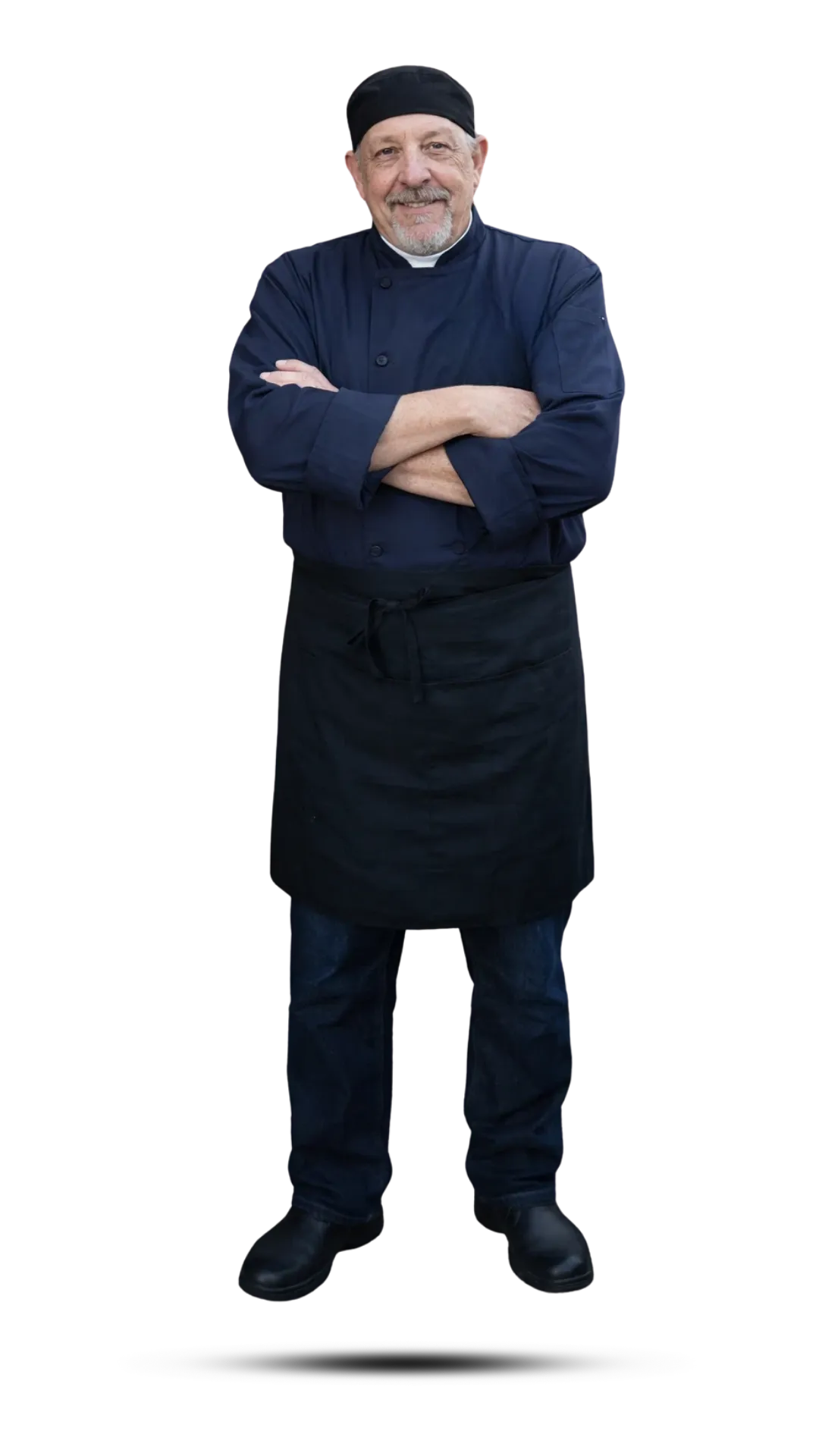
Chef Paul brings decades of culinary expertise and a deep commitment to community wellness. His leadership roles include:
Executive Board Member, Northwest Missouri Solid Waste Management District
· We distribute equipment grants to organizations furthering practical and effective recycling and solid waste management.
Executive Board Member, Ayurvedic Union of the Midwest
· Regional board encouraging and developing Ayurvedic connections across the Midwest.
These affiliations inform our programs, ensuring they are practical, culturally aware, and sustainably minded.
Why Community-Based Food Education Matters
Many communities face limited access to nutritional education and hands-on culinary training. As a result, families often rely on convenience foods without fully understanding their impact on health.
However, when individuals learn how to prepare balanced meals using whole ingredients, they gain control over their well-being.
Our Community Programs bridge this gap by delivering accessible, engaging, and culturally respectful instruction. Instead of overwhelming participants with theory, we provide realistic strategies that fit daily life.
Moreover, we encourage shared learning environments. When neighbors cook and learn together, they strengthen social bonds while building practical skills.
Our Community Education Philosophy
We approach Community Programs with intention and respect. First, we listen to the needs of the community. Then, we design programming that aligns with local goals and resources.
Our philosophy centers on three principles:

Accessibility
We communicate clearly and avoid unnecessary complexity. Participants should feel welcomed, not intimidated.

Practical Application
We focus on meals that families can realistically prepare within their budgets and schedules.

Cultural Appreciation
We honor diverse culinary traditions while introducing wellness principles that enhance existing food practices.
Together, these principles guide every decision we make.
Types of Community Programs We Offer
We tailor each program to serve specific community needs.
Food as Medicine Workshops
These sessions explore how herbs, whole foods, and balanced preparation methods support long-term wellness. Participants learn how everyday ingredients influence energy, digestion, and vitality.
Youth Culinary
Education
We engage young learners through interactive, age-appropriate programs. Early education fosters lifelong healthy habits and critical thinking about food choices.
Wellness and Preventative Nutrition Sessions
We introduce participants to holistic principles, including basic Ayurvedic education, to help them understand how food supports balance.
Culinary Skills
Training
We teach foundational cooking techniques such as knife skills, meal planning, ingredient selection, and flavor building. These practical skills increase confidence and independence in the kitchen.
Seasonal Cooking
Series
We design programs aligned with seasonal availability. Participants learn how to adapt meals according to climate, local harvest cycles, and nutritional needs.
Because every community differs, we customize program structure, duration, and content accordingly.
Types of Community Programs We Offer
We tailor each program to serve specific community needs.
Food as Medicine Workshops
These sessions explore how herbs, whole foods, and balanced preparation methods support long-term wellness. Participants learn how everyday ingredients influence energy, digestion, and vitality.
Youth Culinary
Education
We engage young learners through interactive, age-appropriate programs. Early education fosters lifelong healthy habits and critical thinking about food choices.
Wellness and Preventative Nutrition Sessions
We introduce participants to holistic principles, including basic Ayurvedic education, to help them understand how food supports balance.
Culinary Skills
Training
We teach foundational cooking techniques such as knife skills, meal planning, ingredient selection, and flavor building. These practical skills increase confidence and independence in the kitchen.
Seasonal Cooking
Series
We design programs aligned with seasonal availability. Participants learn how to adapt meals according to climate, local harvest cycles, and nutritional needs.
Because every community differs, we customize program structure, duration, and content accordingly.
Partnering With Organizations
Our Community Programs support a variety of partners:
Schools and educational institutions
Nonprofit organizations
Faith-based organizations
Community centers
Public health initiatives
Agricultural and sustainability groups
We collaborate closely to ensure each program aligns with your mission. Additionally, we remain flexible regarding scheduling and format.
Through partnership, we expand impact and reach broader audiences.
Addressing Food Literacy and Access
Food literacy empowers individuals to make informed decisions. However, access to clear and practical education remains inconsistent.
Therefore, our Community Programs address:
Reading and understanding ingredient labels
Budget-conscious meal planning
Reducing food waste
Cooking with seasonal produce
Preparing balanced meals with limited resources
By focusing on foundational knowledge, we equip participants with tools that extend beyond the classroom.
Integrating Global Culinary Wisdom
Chef Paul’s background in global cuisines enriches our Community Programs. French technique emphasizes structure and balance. Indian traditions introduce digestive-supportive spices. Middle Eastern and Vietnamese cuisines highlight herbs and whole grains.
However, we adapt these influences thoughtfully. Instead of imposing unfamiliar concepts, we introduce global insights in ways that complement local food traditions.
This balanced approach promotes curiosity while respecting cultural identity.
Sustainability and Community Resilience
Healthy communities depend on sustainable food systems. Therefore, we integrate discussions about:
Supporting local farmers
Seasonal purchasing strategies
Responsible sourcing
Home gardening basics
Reducing food waste
When communities understand food systems, they strengthen resilience and self-reliance.
Furthermore, sustainability practices often reduce long-term costs while improving food quality.
Integrating Global Culinary Wisdom
Chef Paul’s background in global cuisines enriches our Community Programs. French technique emphasizes structure and balance. Indian traditions introduce digestive-supportive spices. Middle Eastern and Vietnamese cuisines highlight herbs and whole grains.
However, we adapt these influences thoughtfully. Instead of imposing unfamiliar concepts, we introduce global insights in ways that complement local food traditions.
This balanced approach promotes curiosity while respecting cultural identity.
Sustainability and Community Resilience
Healthy communities depend on sustainable food systems. Therefore, we integrate discussions about:
Supporting local farmers
Seasonal purchasing strategies
Responsible sourcing
Home gardening basics
Reducing food waste
When communities understand food systems, they strengthen resilience and self-reliance.
Furthermore, sustainability practices often reduce long-term costs while improving food quality.
Program Delivery Formats
We offer flexible delivery options to accommodate different settings:
In-Person
Workshops
Hands-on instruction ideal for community centers and schools.
Demonstration-Based Events
Hands-on instruction ideal for community centers and schools.
Multi-Session
Series
Ongoing education programs that build progressively over time.
Special Event Programming
Customized sessions for community festivals, awareness campaigns, or wellness initiatives.
Because engagement increases learning retention, we design sessions to remain interactive and practical.
Measurable Impact
Effective Community Programs create visible change. Participants often report:
Increased confidence in cooking
Greater awareness of ingredient quality
Improved meal planning habits
Stronger understanding of seasonal eating
Enhanced community connection
Although transformation takes time, education initiates meaningful progress.
Moreover, when participants share their knowledge with others, the impact multiplies organically.
Strengthening Communities Through Food
Food builds connection. Shared meals encourage conversation, understanding, and cooperation. Therefore, our Community Programs extend beyond instruction.
We foster dialogue, curiosity, and mutual respect. As participants learn together, they strengthen community identity.
Additionally, our programs reinforce the idea that wellness does not require exclusivity. Accessible, informed cooking can exist in every household.
Frequently Asked Questions (FAQ)
What are Community Programs at The Culinary Alchemist?
They are educational initiatives focused on food literacy, culinary skills, and wellness awareness.
Who can host a Community Program?
Schools, nonprofits, faith-based groups, community centers, and public health organizations can partner with us.
Do you offer youth programs?
Yes. We design interactive culinary education sessions specifically for young learners.
Can programs be customized?
Absolutely. We tailor each Community Program to match organizational goals and audience needs.
Do you incorporate wellness or Ayurvedic education?
Yes. When appropriate, we integrate food as medicine principles and foundational Ayurvedic concepts.
Bring a Community Program to Your Organization
If your organization seeks to expand food education, promote wellness, or strengthen community engagement, we welcome collaboration.
We design each Community Program with care, clarity, and long-term vision.
Empowered communities begin with informed kitchens.
Get in Touch
Contact Chef Paul Seaman
Contact Info
Email: [email protected]
Phone: +1 (660) 654-2618
Open Hours
Monday — Thursday8 am — 11 pm
Friday — Sunday11 am — 11 pm
Note: Restaurant is closed on holidays.
Get in Touch
Contact Chef Paul Seaman
Contact Info
Open Hours
Monday — Thursday 8 am — 11 pm
Friday — Sunday 11 am — 11 pm
Note: Restaurant is closed on holidays.