
Our Philosophy
Food as Medicine. Cooking With Intention. Living With Balance.
At The Culinary Alchemist,
our philosophy begins with a simple yet profound truth: Food is the energetic tool for healing.

What we choose to eat shapes how we think, feel, and function every single day. Therefore, we approach cooking not merely as a technical skill but as a conscious act of nourishment.
We believe that food holds the power to prevent imbalance, restore vitality, and strengthen communities. However, that power only reveals itself when we cook and eat with awareness. For this reason, everything we teach, whether through Culinary Education, Ayurvedic Education, Herbal Awareness, Wellness Menu Creation, or Catering, centers on intentional nourishment, because food is the energetic tool for healing.
The Foundation:
Food is the energetic tool for healing
Modern culture often separates food from health. Yet traditional food systems around the world have always understood their connection. Across continents and centuries, communities have relied on herbs, spices, grains, broths, and seasonal produce not just for flavor, but for healing.
At The Culinary Alchemist, we return to this foundation. We study how ingredients affect digestion, immunity, energy, and emotional balance. Moreover, we teach others how to apply this knowledge practically, so that wellness becomes sustainable rather than restrictive
.
Instead of focusing on fad diets or rigid trends, we emphasize timeless principles. Fresh, whole foods. Seasonal alignment. Mindful preparation. Balanced flavors. When these elements come together, food becomes both satisfying and therapeutic.
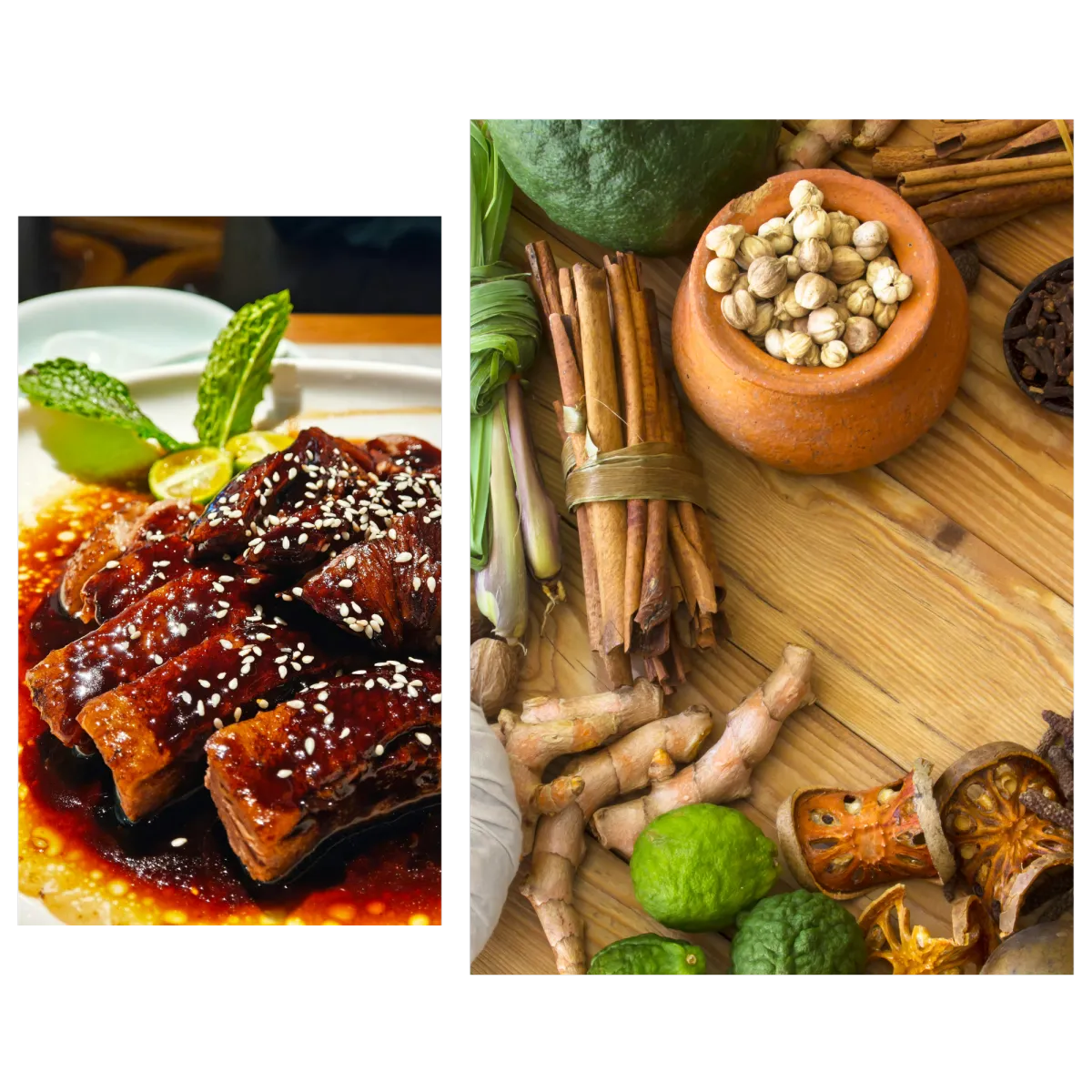
Rooted in Ayurveda
Ayurveda provides the primary framework for our philosophy.
This 5,000-year-old system teaches that health depends on balance—between the elements, between digestion and elimination, and between individual constitution and environment.
Through Ayurveda, we consider:
Dosha (constitutional tendencies)
Agni (digestive strength)
Ojas (vital resilience)
Seasonal transitions
Food energetics
Meals are not generic. They are contextual.
This awareness influences everything from workshop curriculum to wellness menu creation and retreat design.
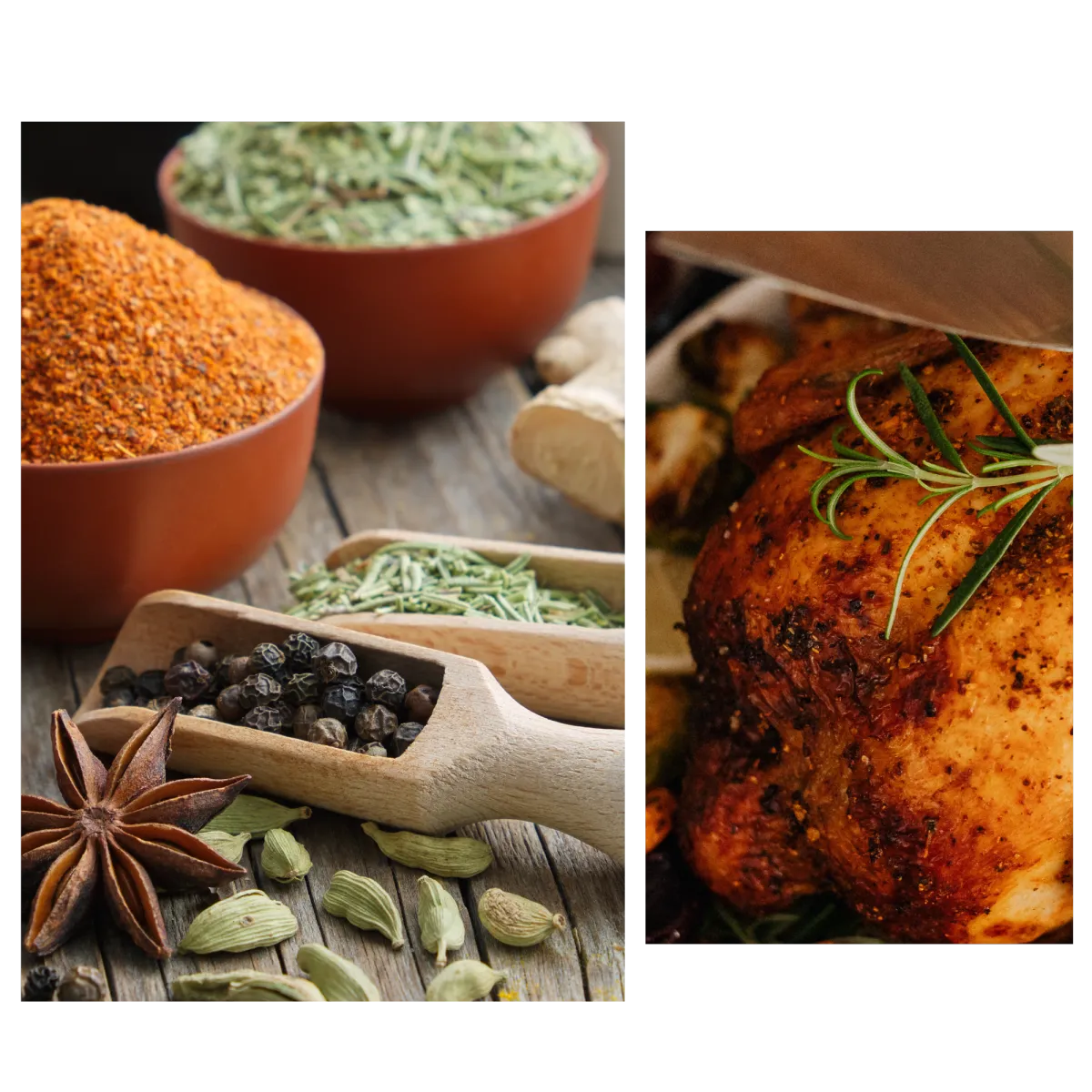
Informed by Western Herbology
While Ayurveda shapes the foundation, Western Herbology expands our botanical depth.
As a Certified Western Herbologist, Chef Paul integrates:
Herbal energetics
Tissue states
Traditional European plant wisdom
Practical herbal preparation methods
Western Herbology emphasizes plant chemistry and functional application. Ayurveda emphasizes systemic balance and constitutional awareness.
Together, they create a comprehensive and responsible approach to culinary and herbal education.
This integrative perspective distinguishes The Culinary Alchemist from conventional chefs or isolated herbal practitioners.
Cooking With Intention
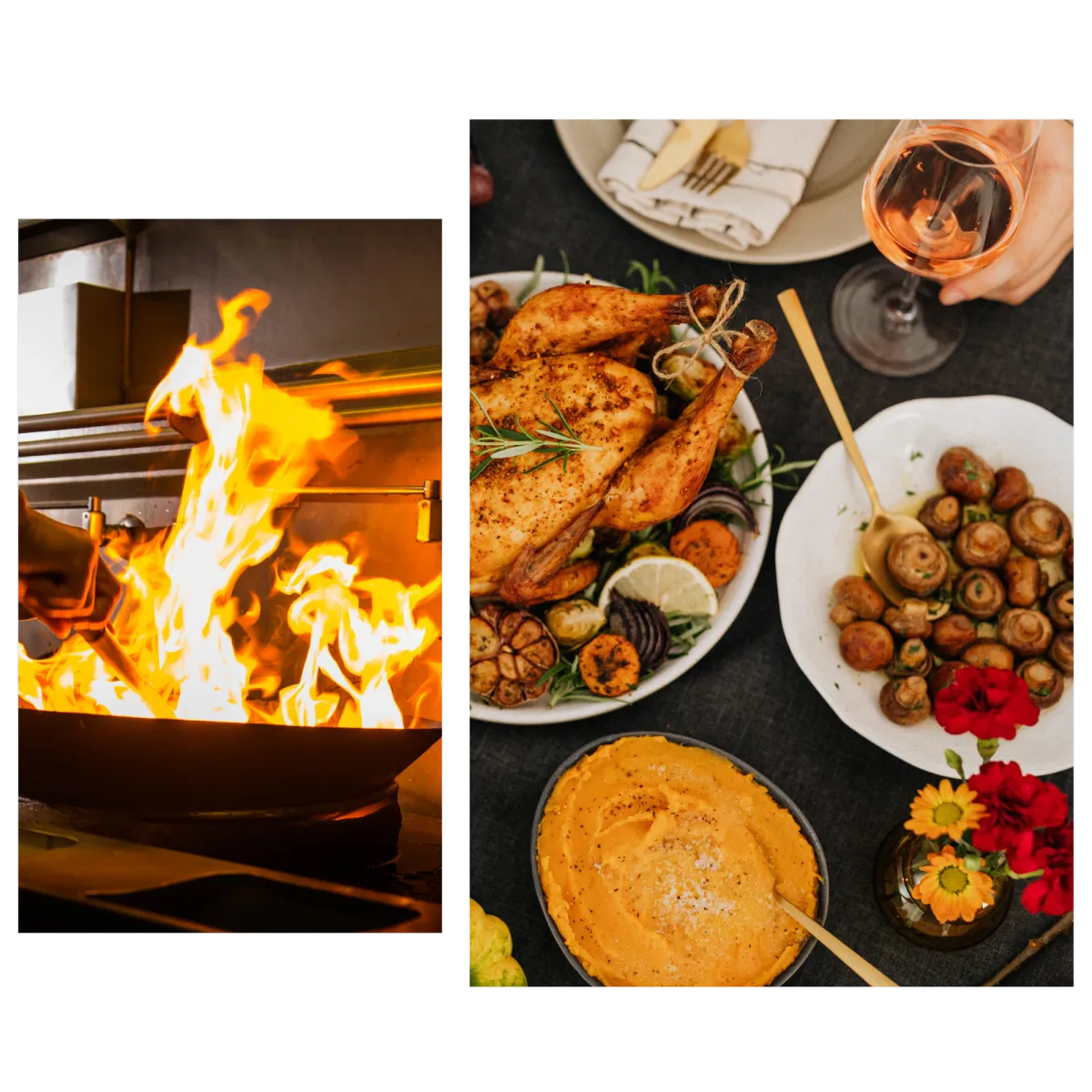
Cooking with intention means asking deeper questions:
What does this ingredient offer nutritionally?
How will this meal support digestion?
Does this dish balance heaviness and lightness?
Is this menu aligned with the season?
When we cook consciously, we elevate everyday meals into acts of care. Furthermore, intentional cooking fosters connection to the land, to the farmer, and to those gathered around the table.
At The Culinary Alchemist, we encourage slowing down in the kitchen. We value preparation as much as consumption. We honor sourcing as much as seasoning. Because of this, our philosophy promotes sustainability, gratitude, and responsibility.
Rooted in Ayurveda
Ayurveda provides the primary framework for our philosophy.
This 5,000-year-old system teaches that health depends on balance—between the elements, between digestion and elimination, and between individual constitution and environment.
Through Ayurveda, we consider:
Dosha (constitutional tendencies)
Agni (digestive strength)
Ojas (vital resilience)
Seasonal transitions
Food energetics
Meals are not generic. They are contextual.
This awareness influences everything from workshop curriculum to wellness menu creation and retreat design.
Informed by Western Herbology
While Ayurveda shapes the foundation, Western Herbology expands our botanical depth.
As a Certified Western Herbologist, Chef Paul integrates:
Herbal energetics
Tissue states
Traditional European plant wisdom
Practical herbal preparation methods
Western Herbology emphasizes plant chemistry and functional application. Ayurveda emphasizes systemic balance and constitutional awareness.
Together, they create a comprehensive and responsible approach to culinary and herbal education.
This integrative perspective distinguishes The Culinary Alchemist from conventional chefs or isolated herbal practitioners.
Cooking With Intention
Cooking with intention means asking deeper questions:
What does this ingredient offer nutritionally?
How will this meal support digestion?
Does this dish balance heaviness and lightness?
Is this menu aligned with the season?
When we cook consciously, we elevate everyday meals into acts of care. Furthermore, intentional cooking fosters connection to the land, to the farmer, and to those gathered around the table.
At The Culinary Alchemist, we encourage slowing down in the kitchen. We value preparation as much as consumption. We honor sourcing as much as seasoning. Because of this, our philosophy promotes sustainability, gratitude, and responsibility.
Balance Over Restriction
Many modern approaches to health emphasize elimination and fear. However, our philosophy centers on balance.
Balance means incorporating diverse food groups thoughtfully. Balance means adjusting meals to the season. Balance means honoring both nourishment and pleasure.
For example, a warming stew may serve best in winter, while a light herb-forward dish may support summer digestion. Similarly, fermented foods may strengthen gut health, yet excessive spice may overwhelm certain constitutions. Therefore, we teach discernment instead of dogma.
Through Wellness Menu Creation, we apply this balanced perspective to restaurants, organizations, and community programs. Rather than creating menus that restrict, we design offerings that harmonize flavor with wellness goals.
Education as Empowerment
Education stands at the core of our philosophy. We do not believe in dependency; instead, we believe in empowerment.
Through structured Culinary Education and Ayurvedic Education, we equip individuals with practical skills. Students learn how to select ingredients wisely, prepare meals confidently, and adjust recipes according to personal needs. As a result, they gain autonomy over their health.
Additionally, our community-based programs reflect our commitment to accessibility. Food education should not remain limited to elite spaces. Instead, it should reach families, schools, businesses, and underserved communities alike.
When knowledge spreads, wellness multiplies.
Global Wisdom, Local Practice
Food traditions around the world demonstrate that nourishment and culture intertwine deeply. French technique refines balance. Indian cuisine layers spices intelligently. Vietnamese cooking harmonizes fresh herbs with light broths. Middle Eastern dishes celebrate grains and olive oil. Peruvian cuisine honors biodiversity. Each culinary system holds lessons in sustainability and resilience.
Nevertheless, philosophy must remain grounded in local practice. At The Culinary Alchemist, we value farm-to-table sourcing and community agriculture. We grow vegetables, support local producers, and prioritize whole ingredients. Consequently, our philosophy becomes tangible rather than theoretical.
By combining global knowledge with local stewardship, we cultivate a model that respects both heritage and environment.
Community and Collaboration
Wellness does not exist in isolation. Food brings people together, and therefore, healing often begins at the table.
Through Catering services rooted in food as medicine, we create experiences that nourish guests while fostering connection. Meals become shared moments of intention, celebration, and learning. Similarly, collaborative workshops and consultations encourage dialogue and collective growth.
We recognize that sustainable change requires community participation. For this reason, we actively engage with organizations, institutions, and families seeking deeper relationships with food.
A Living Philosophy
Philosophy should evolve through practice. At The Culinary Alchemist, we live what we teach.
We grow food. We prepare meals thoughtfully. We consult based on individual needs. We adjust with the seasons. We listen before advising. Because philosophy without practice lacks integrity, we ensure that our teachings reflect lived experience.
This commitment strengthens our Culinary Education programs. It deepens our Ayurvedic consultations. It informs our Wellness Menu Creation strategies. And it shapes every dish served through our Catering services.
Our Guiding Principles
To summarize, our philosophy rests on five pillars:
Food is
Medicine
Ingredients influence health profoundly.
Intention
Matters
How we cook shapes the outcome.
Balance Over
Extremes
Sustainable wellness requires harmony.
Education
Empowers
Knowledge creates independence
Community
Strengthens Health
Shared meals build resilience.
Together, these principles guide every decision we make.
Moving Forward With Purpose
As interest in holistic wellness continues to grow, we remain grounded in clarity rather than trends. We honor ancient wisdom while applying modern insight. We celebrate flavor while prioritizing nourishment. And above all, we teach that wellness begins in the kitchen.
If you seek deeper understanding, practical skills, or a more intentional relationship with food, our philosophy offers a path forward.
Food has always carried the power to heal. When approached with knowledge and care, it transforms not only the body but also the community.
Get in Touch
Contact Chef Paul Seaman
Contact Info
Email: [email protected]
Phone: +1 (660) 654-2618
Open Hours
Monday — Thursday8 am — 11 pm
Friday — Sunday11 am — 11 pm
Note: Restaurant is closed on holidays.
Get in Touch
Contact Chef Paul Seaman
Contact Info
Open Hours
Monday — Thursday 8 am — 11 pm
Friday — Sunday 11 am — 11 pm
Note: Restaurant is closed on holidays.