
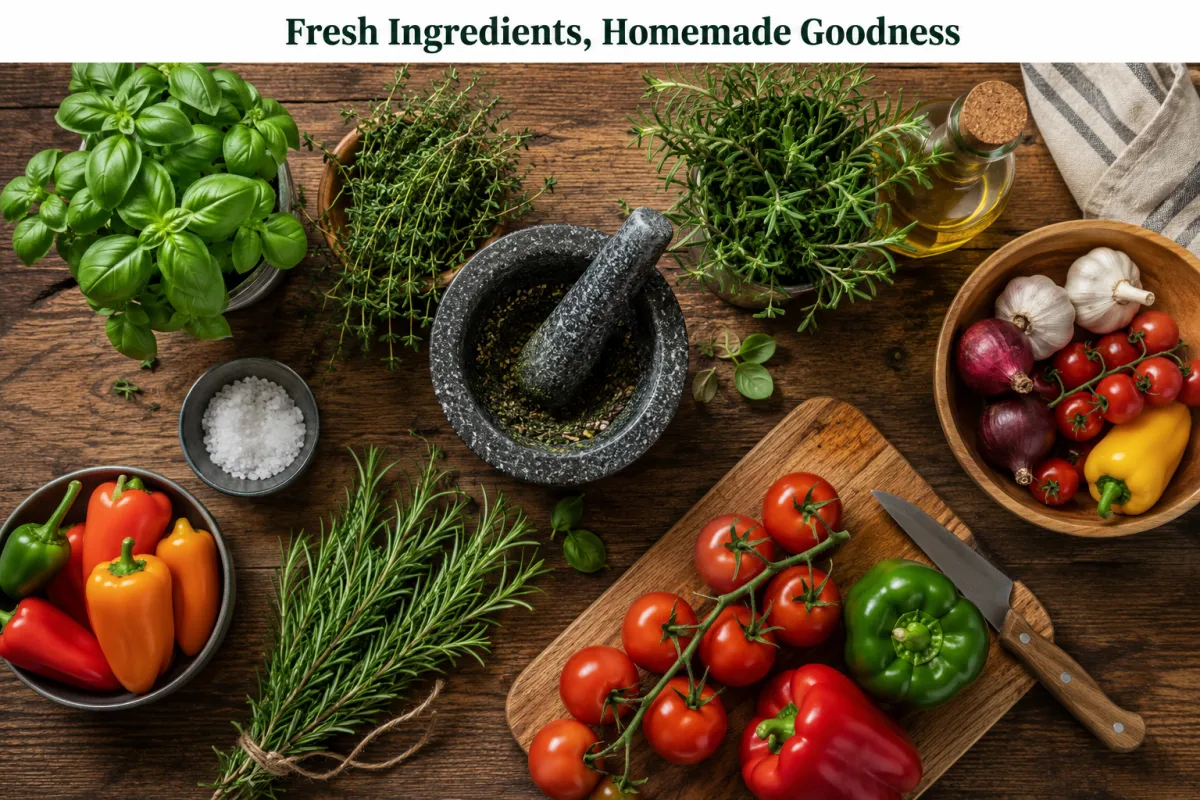
Plant-Based Herbal Cooking: The Complete Guide to Healthy Meals
Plant-based herbal cooking has become one of the most talked-about approaches to eating well in recent years. As more people search for sustainable, flavorful, and nutrient-dense ways to eat, this cooking style offers a natural answer. Indeed, plant-based herbal cooking combines whole, plant-derived ingredients with the therapeutic and aromatic power of fresh and dried herbs. As a result, meals become not only healthier but also significantly more flavorful.
This guide walks you through everything you need to know about plant-based herbal cooking, starting with the basics and moving toward specific techniques and recipes. Whether you are a curious beginner or an experienced home cook looking to deepen your skills, this article will help you build a stronger foundation. Furthermore, you will learn how to select the right herbs, apply the correct techniques, and avoid common mistakes that many beginners make.
What Is Plant-Based Herbal Cooking?

Plant-based herbal cooking refers to a culinary approach that relies entirely on plant-derived foods vegetables, fruits, legumes, grains, nuts, and seeds, while using fresh or dried herbs to enhance flavor, aroma, and nutritional value. Unlike conventional plant-based cooking, which sometimes leans heavily on processed substitutes, this method emphasizes whole, minimally processed ingredients paired with nature's own seasoning agents.
Herbs, in this context, serve more than a decorative purpose. Basil, for instance, contains antioxidants that support overall health, while rosemary is known for its anti-inflammatory properties. Consequently, plant-based herbal cooking becomes a form of nourishment that goes beyond simple calorie counting. It treats food as both fuel and medicine, a philosophy that many wellness-focused cooks and chefs have embraced.
Moreover, this cooking style is rooted in traditions from around the world. Mediterranean cuisine, for example, has long combined vegetables and legumes with herbs like oregano and thyme. Similarly, Ayurvedic cooking in India uses herbs and spices not just for taste, but to balance the body's internal systems. Therefore, plant-based herbal cooking is not a new trend; rather, it is a modern revival of time-tested culinary wisdom.
Why Choose Plant-Based Herbal Cooking? Key Benefits

Understanding the benefits of plant-based herbal cooking helps clarify why so many people are adopting this lifestyle. Below are the primary advantages, moving from broad health impacts to more specific culinary benefits.
1. Supports Overall Health
Plant-based diets are consistently linked to lower risks of heart disease, type 2 diabetes, and certain cancers. When you add herbs to the equation, you introduce additional antioxidants, vitamins, and anti-inflammatory compounds. As a result, your body receives a broader spectrum of nutrients than it would from a diet that skips fresh herbs altogether.
2. Enhances Flavor Without Excess Salt or Fat
Many people assume that plant-based meals are bland. However, this is rarely true when herbs are used correctly. Basil, cilantro, dill, and mint can transform a simple vegetable dish into something vibrant and memorable. Consequently, cooks can reduce their reliance on salt, sugar, and unhealthy fats while still creating deeply satisfying meals.
3. Promotes Sustainability
Plant-based herbal cooking also supports environmental sustainability. Growing herbs and vegetables generally requires fewer resources than raising livestock. Additionally, many herbs can be grown at home in small pots, which reduces packaging waste and transportation emissions. Therefore, this cooking style benefits not just your body, but also the planet.
4. Encourages Culinary Creativity
Finally, working with herbs invites experimentation. Once you understand which herbs pair well with which vegetables, you can create endless variations of the same base recipe. In turn, this keeps meals interesting and prevents the boredom that sometimes derails healthy eating habits.
Essential Herbs Every Plant-Based Cook Should Know

Now that we've covered the broader benefits, let's narrow our focus to the specific herbs that form the backbone of plant-based herbal cooking. Each herb brings a distinct flavor profile and set of nutritional properties.
Basil: Sweet and slightly peppery; ideal for tomato-based dishes, pestos, and salads.
Rosemary: Woody and aromatic; pairs well with roasted root vegetables and legumes.
Thyme: Earthy and subtle; works beautifully in soups, stews, and grain dishes.
Cilantro: Bright and citrusy; commonly used in Latin American and Southeast Asian plant-based recipes.
Mint: Cool and refreshing; excellent in salads, grain bowls, and cold soups.
Dill: Slightly tangy; complements cucumber, potato, and legume-based dishes.
Oregano: Bold and slightly bitter; a staple in Mediterranean vegetable dishes.
Parsley: Mild and versatile; often used as a finishing herb to brighten flavors.
Since each herb has its own strength profile, it helps to introduce them gradually rather than combining too many at once. Otherwise, flavors can compete rather than complement one another. Instead, start with one or two herbs per dish, and then build complexity as you grow more confident.
How to Get Started with Plant-Based Herbal Cooking

Once you are familiar with the key herbs, the next step is learning practical techniques. This section moves from general preparation tips to more specific cooking methods.
Step 1: Build a Herb-Friendly Pantry
First, stock your kitchen with dried versions of the herbs listed above, along with a few fresh pots on your windowsill if possible. In addition, keep staples like olive oil, garlic, lemon, and good-quality salt on hand, since these ingredients help herbs release their full flavor.
Step 2: Learn When to Add Herbs
Timing matters significantly in herbal cooking. Hardy herbs like rosemary and thyme hold up well to long cooking times, so add them early in the process. On the other hand, delicate herbs like basil, cilantro, and mint lose their flavor and color when overcooked; therefore, add them near the end of cooking or as a fresh garnish.
Step 3: Master Simple Techniques
Infusing oils: Warm olive oil gently with rosemary or thyme to create a flavorful base for sautéing vegetables.
Making herb pastes: Blend fresh herbs with garlic, nuts, and olive oil to create versatile sauces similar to pesto.
Drying your own herbs: Hang fresh herbs upside down in a dry area to preserve them for later use.
Herb-infused vinegars: Steep herbs in vinegar for a few weeks to create a tangy, aromatic dressing base.
Step 4: Balance Flavors Thoughtfully
Ultimately, successful plant-based herbal cooking depends on balance. Combine earthy herbs with bright, acidic elements like lemon or vinegar. Similarly, pair rich, hearty vegetables such as squash or potatoes with lighter herbs like parsley or dill to avoid an overly heavy dish.
Simple Plant-Based Herbal Recipes to Try

To make this guide practical, here are three beginner-friendly recipes that highlight the principles discussed above. Each recipe moves from a basic dish toward more complex flavor layering.
1. Herb-Infused Roasted Vegetables
Toss carrots, zucchini, and bell peppers with olive oil, minced garlic, and fresh rosemary and thyme. Then, roast at 400°F for 25 minutes, stirring halfway through. Finally, finish with a sprinkle of fresh parsley before serving.
2. Basil and White Bean Salad
Combine cooked white beans, cherry tomatoes, and thinly sliced red onion. Next, add torn fresh basil leaves, a drizzle of olive oil, and a squeeze of lemon juice. As a result, you get a bright, protein-rich salad that works well as a light lunch.
3. Cilantro-Lime Quinoa Bowl
Cook quinoa according to package instructions, then fluff it with a fork. Afterward, mix in chopped cilantro, lime juice, black beans, corn, and diced avocado. This dish demonstrates how herbs can transform a simple grain bowl into a vibrant, satisfying meal.
Common Mistakes to Avoid
Even experienced cooks occasionally make mistakes when working with herbs. Below are a few pitfalls to watch for as you refine your plant-based herbal cooking skills.
Overcrowding flavors: Using too many herbs at once can create a muddled taste. Instead, choose two or three complementary herbs per dish.
Adding delicate herbs too early: As mentioned earlier, herbs like basil and cilantro lose potency when cooked too long. Therefore, add them near the end.
Using old, stale dried herbs: Dried herbs lose flavor over time. Consequently, replace them every six to twelve months for the best results.
Ignoring herb-vegetable pairings: Not every herb suits every vegetable. For example, mint pairs beautifully with peas but can clash with heavier root vegetables.
By avoiding these common errors, you will consistently produce more balanced and flavorful plant-based meals.
Frequently Asked Questions About Plant-Based Herbal Cooking
1. What exactly is plant-based herbal cooking?
Plant-based herbal cooking is a culinary approach that uses only plant-derived ingredients, vegetables, legumes, grains, nuts, and seeds while incorporating fresh or dried herbs to boost flavor and nutritional value.
2. Is plant-based herbal cooking suitable for beginners?
Yes, it is. Beginners can start with simple recipes, such as herb-infused roasted vegetables, and gradually build confidence before experimenting with more complex flavor combinations.
3. Which herbs work best for someone new to this style of cooking?
Basil, parsley, and thyme are excellent starting points because they are versatile and pair well with a wide range of vegetables and legumes.
4. Can dried herbs be used instead of fresh ones?
Absolutely. Dried herbs work well in dishes with longer cooking times, such as soups and stews. However, fresh herbs are generally better for garnishing or adding at the end of cooking.
5. How does plant-based herbal cooking support overall health?
Because it relies on whole plant foods and antioxidant-rich herbs, this cooking style can support heart health, reduce inflammation, and provide a wide range of vitamins and minerals.
6. Do I need special equipment to start cooking this way?
No special equipment is required. A good knife, a cutting board, and a few basic pots and pans are enough to begin. As you advance, tools like a mortar and pestle can help release deeper herb flavors.
Final Thoughts
Plant-based herbal cooking offers a practical, flavorful, and health-supportive way to approach everyday meals. From understanding foundational concepts to mastering specific techniques and recipes, this guide has walked through the topic from general principles to particular applications. Ultimately, success in this cooking style comes down to practice, patience, and a willingness to experiment with different herb and vegetable combinations.
As you continue exploring plant-based herbal cooking, remember that small adjustments, like adding fresh herbs at the right time or pairing complementary flavors, can make a significant difference in the final dish. Therefore, keep experimenting, take notes on what works, and enjoy the process of building a healthier, more flavorful kitchen.
Ready to Elevate Your Plant-Based Herbal Cooking Journey?

If you are ready to take your plant-based herbal cooking skills to the next level, The Culinary Alchemist can help. From expert guidance to curated resources, The Culinary Alchemist supports home cooks who want to transform simple, plant-based ingredients into extraordinary meals.
Visit The Culinary Alchemist today and start your journey toward healthier, more flavorful cooking.


