
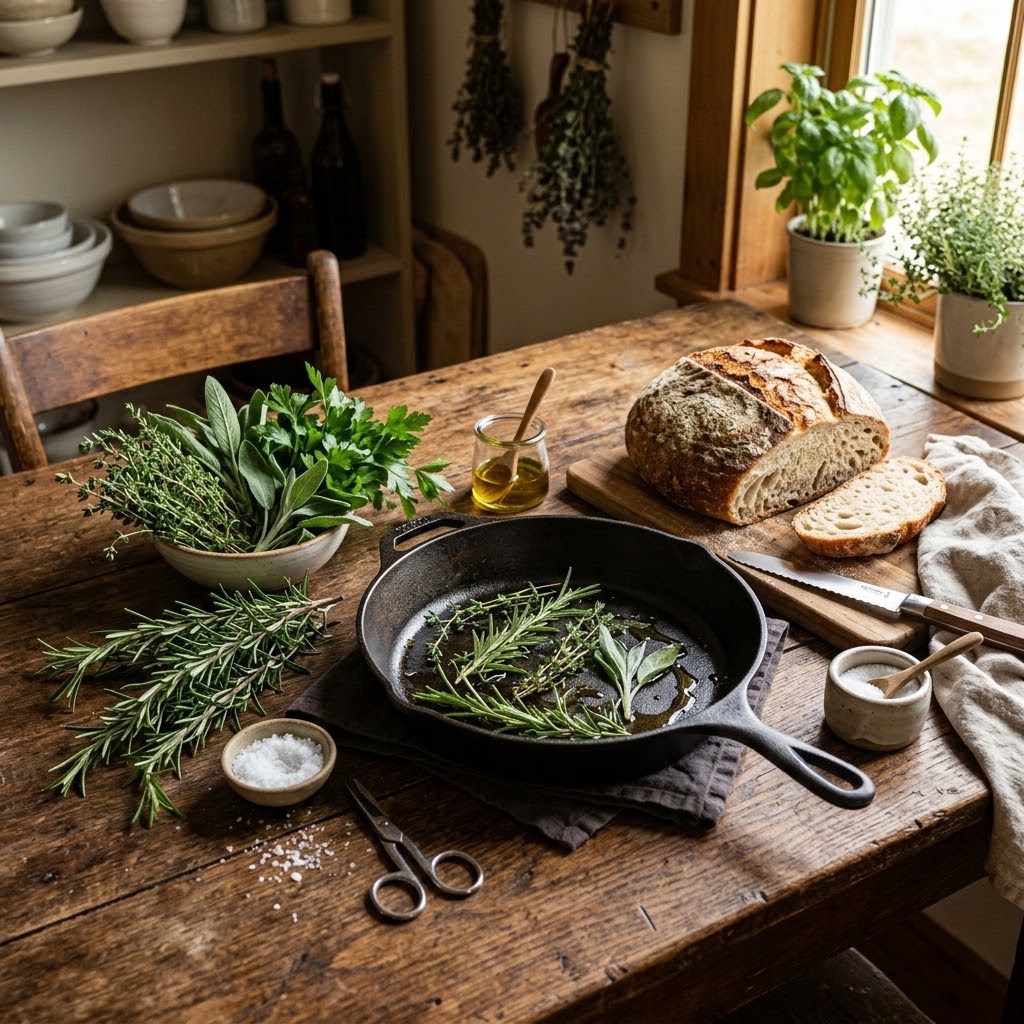
The Art of Western Herbal Cooking: Herbs, Techniques & Recipes
Western herbal cooking has shaped kitchens across Europe and North America for centuries. As global interest in flavorful, health supportive cooking continues to grow, many home cooks are returning to the herbs and techniques that define this tradition. Indeed, Western herbal cooking blends practicality with flavor, relying on herbs that grow easily in home gardens and pair naturally with familiar Western ingredients like potatoes, grains, and legumes.
This guide covers everything you need to understand and practice Western herbal cooking, moving from its broader history and philosophy toward specific herbs, techniques, and recipes. Whether you are new to cooking with herbs or looking to deepen an existing skill set, this article offers a clear path forward. Additionally, you will find a dedicated FAQ section that addresses common questions about this style of cooking.
What Is Western Herbal Cooking?

Western herbal cooking refers to the culinary tradition of using herbs commonly grown and consumed across Europe and North America, such as rosemary, thyme, sage, parsley, and oregano, to season and enhance everyday dishes. Unlike some global herbal traditions that rely heavily on exotic or hard-to-find ingredients, Western herbal cooking is built around herbs that are widely available and easy to grow in a home garden or windowsill pot.
Historically, this cooking style developed across regions like the Mediterranean, France, and the British Isles, where herbs were used not only for flavor but also for their preservative and medicinal qualities. For instance, thyme and rosemary have long been valued for their antimicrobial properties, which made them useful for preserving meats and vegetables before refrigeration existed. Consequently, many Western herbal cooking traditions carry practical roots that go far beyond simple seasoning.
Moreover, Western herbal cooking often emphasizes simplicity. Rather than combining dozens of ingredients, many classic Western dishes rely on just a few well-chosen herbs paired with quality, minimally processed ingredients. Therefore, mastering this style of cooking often comes down to understanding a smaller set of herbs deeply rather than memorizing an extensive list of exotic seasonings.
Why Western Herbal Cooking Remains Relevant Today

Understanding the benefits of Western herbal cooking helps explain its lasting popularity. Below are the key advantages, moving from broader cultural and health benefits toward more specific practical ones.
1. Rooted in Time Tested Tradition
Western herbal cooking draws on centuries of culinary knowledge. As a result, many of its techniques and pairings have already been refined through generations of practical use, which reduces the guesswork involved in learning new flavor combinations.
2. Supports Everyday Health
Herbs like sage, thyme, and parsley contain antioxidants and anti-inflammatory compounds. Therefore, incorporating them regularly into meals can support overall wellness without requiring dramatic dietary changes.
3. Uses Accessible, Affordable Ingredients
Since Western herbs grow easily in temperate climates, they are widely available and often inexpensive. Additionally, many can be grown at home, which further reduces cost and encourages fresher, more flavorful cooking.
4. Enhances Flavor Naturally
Finally, Western herbal cooking allows cooks to build deep, satisfying flavor without relying heavily on salt, sugar, or processed sauces. In turn, this supports a more balanced approach to everyday eating.
Essential Herbs in Western Herbal Cooking

Now that we have covered the broader context, let us narrow the focus to the specific herbs that define this culinary tradition. Each one brings a distinct flavor and a set of traditional uses.
Rosemary: Woody and pine like, ideal for roasted meats, potatoes, and bread.
Thyme: Earthy and versatile, common in soups, stews, and roasted vegetables.
Sage: Bold and slightly peppery, often paired with poultry, squash, and butter based sauces.
Parsley: Mild and fresh, frequently used as a finishing herb across Western cuisines.
Oregano: Robust and slightly bitter, central to Mediterranean vegetable and tomato dishes.
Bay Leaf: Subtle and aromatic, typically added to soups, stocks, and braises.
Tarragon: Slightly sweet and anise like, common in French cooking and egg dishes.
Dill: Bright and tangy, well suited to potatoes, fish, and pickled vegetables.
Because each herb has its own strength and character, it helps to introduce them gradually rather than combining too many in a single dish. Otherwise, flavors can overwhelm one another. Instead, focus on one or two dominant herbs per recipe, then build complexity as your confidence grows.
How to Practice Western Herbal Cooking Techniques

Once you are familiar with the essential herbs, the next step is learning how to apply them effectively. This section moves from general preparation ideas to specific, practical techniques.
Step 1: Build a Herb Ready Kitchen
First, keep both fresh and dried versions of the core Western herbs on hand. In addition, stock complementary staples like butter, olive oil, garlic, and lemon, since these ingredients help herbs release their fullest flavor.
Step 2: Understand Cooking Times
Timing plays a significant role in Western herbal cooking. Hardy herbs such as rosemary, thyme, and bay leaf hold up well during long cooking processes, so add them early. On the other hand, delicate herbs like parsley, dill, and tarragon lose flavor and color when overcooked; therefore, add them near the end of cooking or as a fresh garnish.
Step 3: Learn Core Techniques
Herb butter: Blend softened butter with finely chopped herbs like sage or parsley to top meats, vegetables, or bread.
Bouquet garni: Tie herbs like thyme, bay leaf, and parsley stems together to flavor soups and stocks, then remove before serving.
Herb roasting: Rub rosemary, thyme, and garlic onto meats or vegetables before roasting to build deep, savory flavor.
Herb infused vinegar or oil: Steep herbs in vinegar or oil for several weeks to create a flavorful base for dressings and marinades.
Step 4: Balance Flavors Thoughtfully
Ultimately, successful Western herbal cooking depends on balance. Pair earthy herbs like rosemary and sage with acidic elements such as lemon or vinegar. Similarly, combine rich dishes, like roasted meats or creamy sauces, with lighter herbs such as parsley or dill to prevent heaviness.
Simple Western Herbal Recipes to Try
To make this guide practical, here are three beginner friendly recipes. Each one moves from a straightforward dish toward a slightly more layered flavor profile.
1. Rosemary Roasted Potatoes
Toss baby potatoes with olive oil, minced garlic, and chopped fresh rosemary. Then, roast at 425 degrees Fahrenheit for 30 minutes, stirring halfway through. Finally, finish with a pinch of sea salt before serving.
2. Sage Butter Squash
Melt butter in a pan and add torn fresh sage leaves until fragrant. Next, toss the herb butter with roasted butternut squash. As a result, you get a simple, comforting dish that highlights the earthy flavor of sage.
3. Herb Roasted Chicken with Thyme and Parsley
Rub a whole chicken with olive oil, salt, and fresh thyme, then roast until fully cooked. Afterward, sprinkle freshly chopped parsley over the top before serving. This dish demonstrates how a small number of Western herbs can create a deeply flavorful, classic meal.
Common Mistakes to Avoid
Even experienced cooks occasionally make mistakes when working with Western herbs. Below are a few pitfalls worth watching for as you refine your skills.
Using too many herbs at once: Combining several strong herbs in one dish can create a muddled flavor. Instead, choose one or two complementary herbs per recipe.
Adding delicate herbs too early: As mentioned earlier, herbs like parsley and dill lose potency when cooked too long. Therefore, add them toward the end of cooking.
Relying on stale dried herbs: Dried herbs lose their strength over time. Consequently, replace them every six to twelve months for the best flavor.
Ignoring herb and ingredient pairings: Not every herb suits every dish. For example, tarragon pairs beautifully with eggs but can overwhelm heartier root vegetables.
By avoiding these common errors, you will consistently produce more balanced, flavorful dishes rooted in Western herbal cooking tradition.
Frequently Asked Questions About Western Herbal Cooking
1. What exactly is Western herbal cooking?
Western herbal cooking is a culinary tradition that uses herbs commonly grown across Europe and North America, such as rosemary, thyme, sage, and parsley, to season and enhance everyday dishes.
2. Is Western herbal cooking suitable for beginners?
Yes, it is. Beginners can start with simple recipes, such as rosemary roasted potatoes, and gradually build confidence before experimenting with more advanced herb pairings.
3. Which herbs are best for someone new to Western herbal cooking?
Rosemary, thyme, and parsley are excellent starting points because they are versatile and pair well with a wide range of everyday ingredients.
4. Can dried herbs be used instead of fresh ones?
Absolutely. Dried herbs work well in dishes with longer cooking times, such as soups, stews, and braises. However, fresh herbs are generally better for garnishing or finishing a dish.
5. How does Western herbal cooking support overall health?
Because it relies on whole ingredients and antioxidant rich herbs, this cooking style can support everyday wellness while reducing the need for excess salt, sugar, or processed sauces.
6. Do I need special equipment to start Western herbal cooking?
No special equipment is required. A good knife, a cutting board, and basic cookware are enough to begin. As you advance, tools like kitchen twine for a bouquet garni can help refine your technique.
Final Thoughts
Western herbal cooking offers a practical, flavorful, and time tested way to approach everyday meals. From understanding its history and philosophy to mastering specific herbs, techniques, and recipes, this guide has moved from general principles toward particular applications. Ultimately, success with this cooking style comes down to practice, patience, and a willingness to experiment with classic herb pairings.
As you continue exploring Western herbal cooking, remember that small details, such as adding herbs at the right time or pairing them thoughtfully with acidic or rich ingredients, can make a meaningful difference in the final dish. Therefore, keep practicing, take notes on what works best, and enjoy building a kitchen rooted in this enduring culinary tradition.
Ready to Explore Western Herbal Cooking Further?

If you are ready to deepen your Western herbal cooking skills, The Culinary Alchemist by Chef Paul Seaman can help. From expert guidance to thoughtfully curated recipes, The Culinary Alchemist supports home cooks who want to bring classic herbs and techniques into their everyday meals.
Visit The Culinary Alchemist today and start building a kitchen rooted in flavorful, time-tested tradition.


